
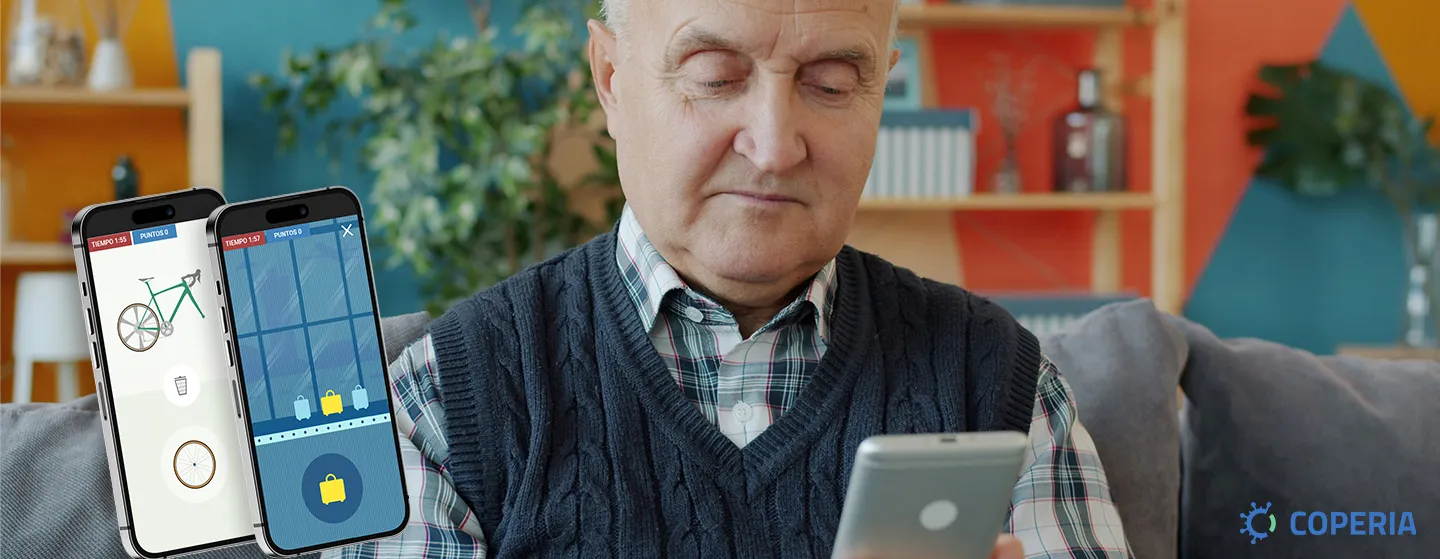
Project details
Status: Completed project
Duration: 18 months, from November 2021 to April 2023
Funding programme: Conecta COVID Programme, code IN852D 2021/20, co-financed by ERDF as part of the European Union's response to the COVID-19 pandemic, with support from the Galician Innovation Agency and the Second Vice-Presidency and Ministry of Economy, Enterprise and Innovation
Consortium: Bahía Software, 10 Mets, imaxin, Galician Sur Biomedical Foundation, University of Vigo, through the Multimedia Technologies Group and the Applied Information Technology Laboratory.
Summary
COPERIA was an R&D&I project aimed at the development and clinical validation of a multidisciplinary platform for the diagnosis, empowerment, personalised rehabilitation and clinical management of patients with persistent COVID. The initiative combined digital tools, artificial intelligence and therapeutic content to address a complex condition with heterogeneous symptoms and a significant impact on the quality of life of those affected.
Within this framework, imaxin developed the cognitive rehabilitation module, a solution based on serious games designed to help recover capabilities affected by the disease, particularly in areas such as memory, attention, processing speed and certain executive functions.
The challenge
Among the most common sequelae of persistent COVID are neurological and cognitive symptoms such as confusion, insomnia, lack of concentration, dizziness and what is known as "brain fog". The challenge for COPERIA was to bring cognitive rehabilitation into an accessible, usable and clinically supervised digital environment, while also recording data to help assess each patient's progress.
This challenge was especially demanding because it required designing effective therapeutic exercises for mobile devices, with an interface understandable to people experiencing cognitive fatigue and varying levels of technological familiarity. The design work took this usage reality on mobile devices into account, as well as the need to reduce fatigue and improve contrast, clarity and motivation.
imaxin's contribution
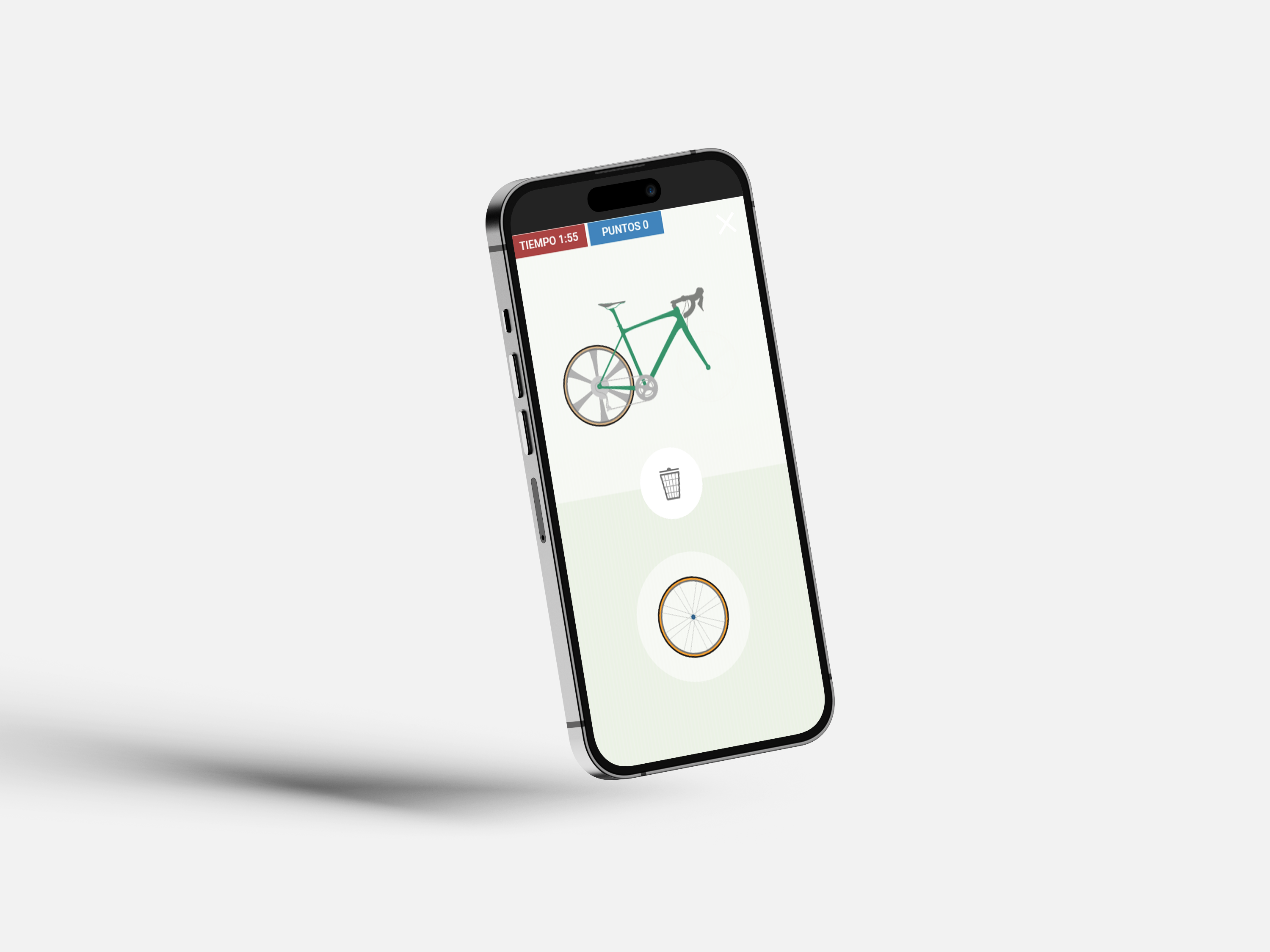 imaxin's contribution to COPERIA focused on the complete development of the cognitive rehabilitation module through serious games, within the work package dedicated to empowerment tools, rehabilitation and data capture. In addition, imaxin participated in the development of audiovisual content for the Patient Journey module, including recommendation videos for patients and specific mindfulness pieces.
The work began with a state-of-the-art analysis of the use of serious games in cognitive rehabilitation, with the aim of identifying approaches, references, mechanics and good practices that would enable the design of a solution appropriate to COPERIA's clinical context. On that basis, the mechanics, evaluation logic, functional system requirements and a concept art and interface proposal specific to the module were defined.
What was developed
The module designed by imaxin was built around an intermediate application called Borvoni, responsible for managing users, sessions and the execution of the therapeutic games. This system made it possible to launch the activities corresponding to each session, record the measured parameters and transfer the information to the COPERIA platform for review by medical staff.
At a functional level, the work covered three main areas. The first was system design and definition, involving the development of functional and operational requirements for the serious games, as well as user profiles, technical constraints and interaction flows. The second was visual and user experience design, including the definition of the graphic language, session structure, pretest screens, therapeutic games and reinforcement and psychoeducation elements. The third was the development, integration, validation and support of the module in production.
Serious games for cognitive rehabilitation
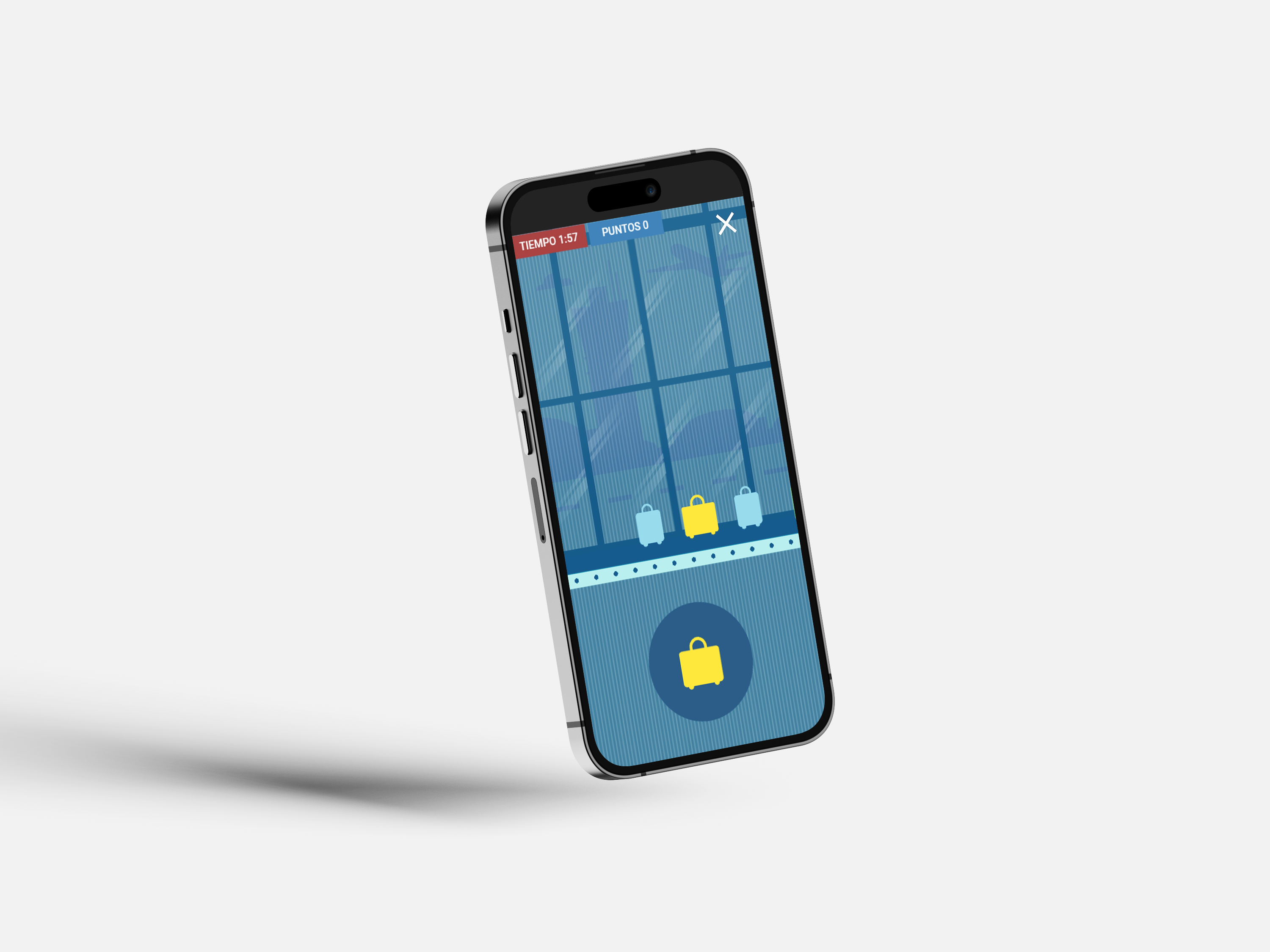
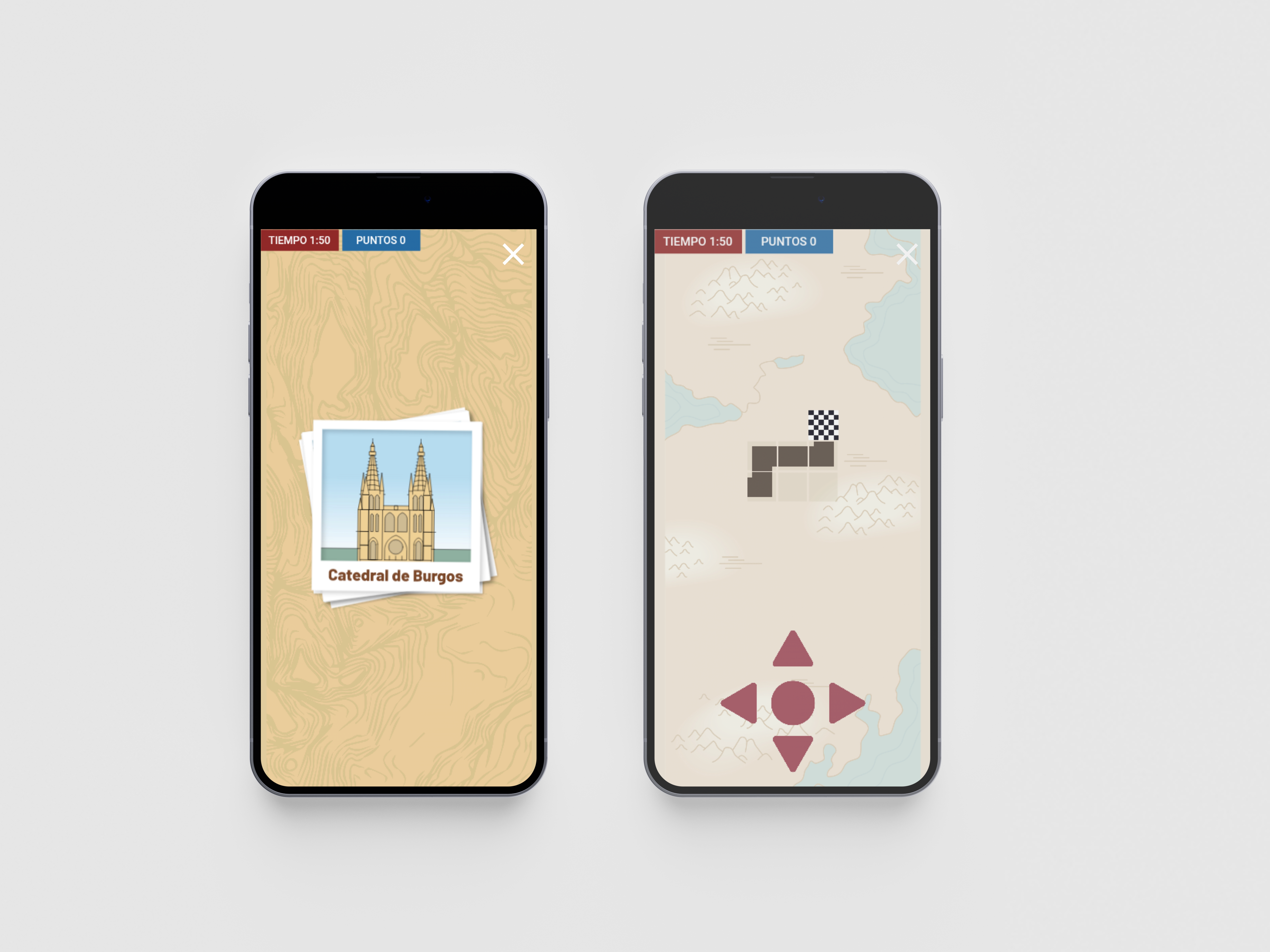
During the project, 21 game mechanics were defined, organised into diagnostic tests and therapeutic games. To this end, work was carried out across several cognitive domains and clinical variables, including processing speed, memory, attention and executive control, with sub-variables such as updating, inhibition, shifting and planning.
The diagnostic tests included games equivalent to validated cognitive tests, aimed at establishing a starting point and a final point of comparison. During the implementation phase, three pretest and posttest games were developed based on tests validated by the advisory team: Number-Symbol Coding, Digits and Symbol Search. After completing these tests, an algorithm assigned a percentile to the patient, which was subsequently compared with the one obtained at the end of therapy to measure progress.
In parallel, a battery of therapeutic mini-games was designed with themes related to travel, journeys and the progressive overcoming of "brain fog", a visual metaphor used to make the rehabilitation experience more understandable and relatable. This approach was underpinned by a differentiated interface between diagnostic activities—more sober and academic in style—and therapeutic activities—conceived as entertaining and motivating games.
Patient-centred design
One of the distinguishing aspects of the work was the user-centred design approach. The concept art for the module was grounded in the clinical reality and patient profile identified in the project: adults, primarily middle-aged women, regular mobile device users, affected by symptoms that could interfere with comprehension, sustained attention or resistance to cognitive fatigue.
For this reason, the design prioritised clarity of instructions, visual simplicity, legibility, contrast and progressive difficulty. Reinforcement elements, achievements, progress messages and psychoeducational content were also incorporated with the aim of promoting adherence to therapy and reducing dropout.
Technological integration
The cognitive module did not operate in isolation, but was integrated with the overall COPERIA platform. To this end, a communication interface between Borvoni and the main platform was developed, capable of receiving the assigned therapy sessions, launching the corresponding sequence of video games and returning the execution results for clinical analysis.
The integration required technical coordination with Bahía Software and the use of technologies and standards such as Keycloak, Spring, HL7 FHIR, HAPI FHIR and JSON exchange files. It was also necessary to define specific LOINC codes for the variables used and a scoring mechanism based on WAIS III tests to determine the patient's level before and after the intervention.
Audiovisual content and patient support
In addition to the serious games module, imaxin participated in the creation of patient support content within the Patient Journey. In this area, recommendation videos were developed and collaboration took place on content related to sleep hygiene, nutrition and mindfulness. Specifically, the work included the preparation of sequences and pieces for short audiovisual pills with voiceover, as well as the production of 8 mindfulness and sleep hygiene videos, as indicated in the complementary documentation and in the work context.
Validation, pilot and improvements
Once the games and management application were developed, the module entered a pilot phase within the clinical trial. During this stage, both the mechanics and the platform were evaluated, and improvements were made arising from real-world use, feedback from the medical team and the experience of patients and users of Coperia Lite, an application created to gather additional feedback due to the limited sample size of the clinical study.
Among the improvements made were a review of instructions to make the games more understandable, difficulty adjustments, performance optimisation, resolution of loading issues, specific corrections for iOS and adaptation of certain mechanics that proved too complex for some patients.
Results
The preliminary study data showed promising results. Therapy was considered completed when the patient completed the pretest, the posttest and at least 60% of the scheduled sessions. In total, the programme consisted of 42 sessions and 32 patients participated, of whom 20 completed therapy. Furthermore, the raw data indicated that 69% of patients achieved better results in the posttest than in the pretest, while the overall assessment from the medical team and user feedback were favourable.
This was complemented by an initial positive clinical assessment of the equivalence between the pretests and posttests developed and the classic tests administered in consultation, although the final analysis was the responsibility of the medical team.
Impact
COPERIA allowed imaxin to apply its experience in multimedia solutions and interaction design to a field of high social and clinical demand. The project represented a significant advance in the application of serious games to digital cognitive rehabilitation contexts, and opened a line of work with potential for transfer to other therapeutic, functional assessment or patient accompaniment scenarios.
Beyond its technological dimension, the project demonstrated how the design of accessible, motivating and clinically supervised digital experiences can become a useful tool to support complex recovery processes.
Funding
Project funded under the Conecta COVID Programme (IN852D 2021/20), co-financed by the European Regional Development Fund (ERDF), with support from the Galician Innovation Agency (GAIN) and the Second Vice-Presidency and Ministry of Economy, Enterprise and Innovation. The total amount of the subsidy awarded to the project was €643,247.78.
Do you have a project?
Request a no-obligation quote.